• Home
  • Site Map
  • Banpo Village
  • Han Yangling
  • Terracotta Warriors
  • Holidays 2017 Homepage
  • China 2017 Home

China 2017 Xian - The city and Surrounded Areas

  • Previous
  • Next

At the heart of China, bordered by the Yellow River, the Shaanxi province was the centre of the un-unified China. In 1066 BC the Zan dynasty established its capital in Hao near what is now Xi`an (pronounced Sian).

850 years later China was unified by its first emperor Qin Shi Huangdi. For over 4000 years Xi’an was the capital of 11 dynasties. By the 9th century Xi’an, then known as Chang’an was the largest and richest city in the world mostly due to its position at the eastern end of the Silk Road.

During the Tang dynasty (618-907), Xi’an’s population was over 1 million. Just to put it into perspective, the population of entire Portugal during the XIV century was 1.5 million.

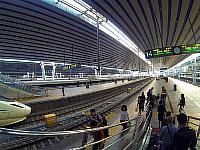
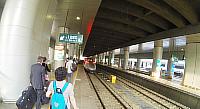
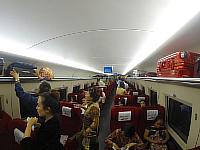
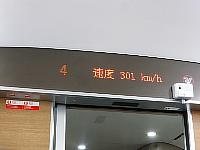
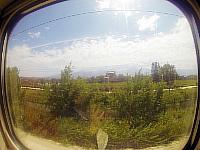
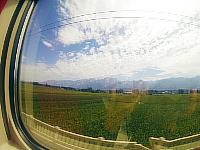
Xi’an is situated in the centre of China and 1200 km from Beijing. We traveled to Xi’an from Beijing by hi-speed train (300 km/h).

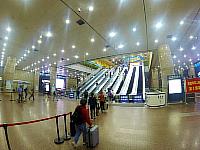
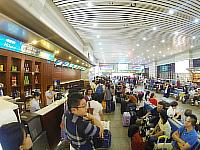
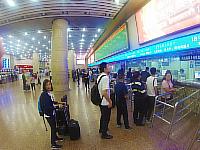
Our friend Karin came with us and held our hands until we were safely at the turnstiles of the train station in Beijing. The train station is huge and if was not for Karin’s help we would have had lots of fun trying to get on the train.

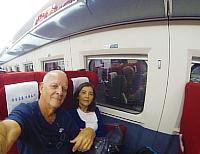
The trip on the train is a breeze. Very comfortable first class seats (with access to a power point…ahahha!!!!) and a smooth ride for approximately 6 hours.

On our arrival, we were met by Mr. Feng (another impeccable package organised by Karin) that was our driver and guide in the 3 days of our stay in Xi’an. Mr. Feng is a delightful man, always with a smile and although he does not speak a word of English, he has an amazing translating application in his mobile that makes the communications very effective and in some cases hilarious.

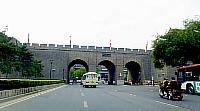
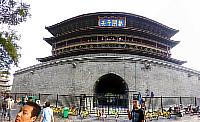
Xi’an is the only city in China that has its walls intact and our hotel is situated inside of the walled city.

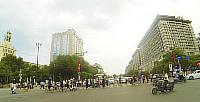
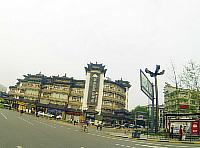
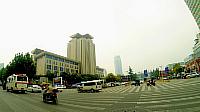
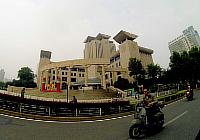
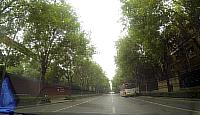
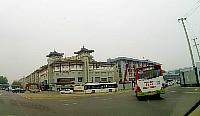
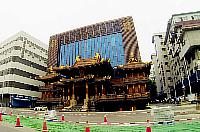
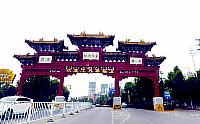
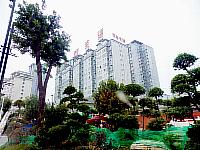
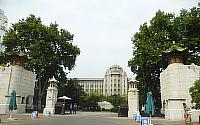
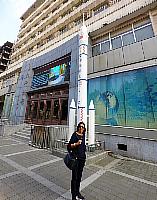
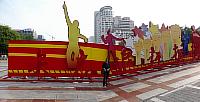
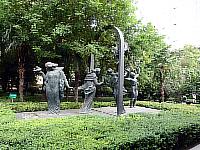
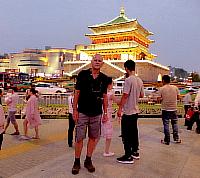
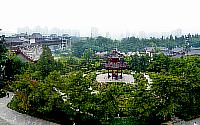
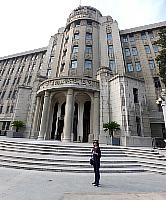
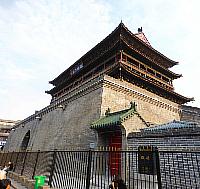
Xi’an now is a huge city (8.5 million inhabitants in 2016) of wide avenues lined with beautiful pine and other trees, impressive buildings and despite the number of vehicles on the road a very organised and “polite” traffic. I have placed some photos to give an idea of the city.

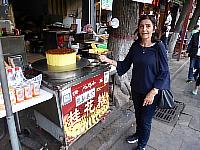
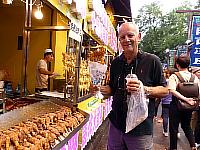
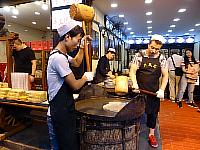
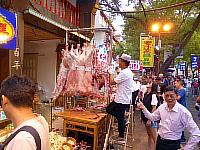
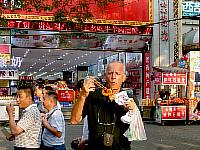
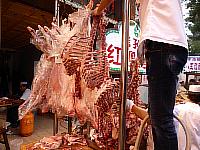
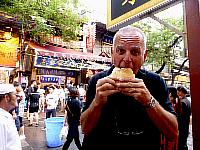
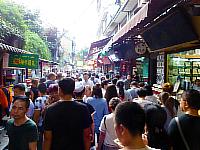
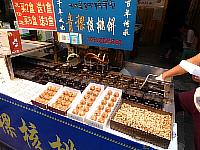
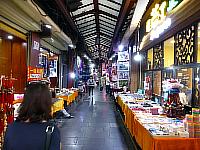
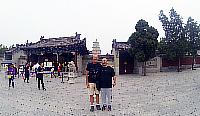
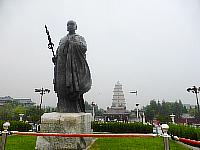
The photos below show various aspects of the city, the Muslim quarters and the Goose Pagoda.
Clique para ver o text em Português

Xian - A cidade e Arredores

No coração da China, encostado ao rio Amarelo (Yellow River), a provincia de Shaanxi foi o centro da China antes desta ter sido unificada. Em 1066 AC a dinastia de Zan estabeleceu a capital em Hao, perto do local que agora é Xi’an (pronuncia-se Sian).

850 anos depois a China foi unificada pelo seu primeiro imperador Qin Shi Huangdi. Durante mais de 4000 anos Xi’an foi a capital de 11 dinastias. Por volta do século IX, Xi’an era conhecida por Chang’an e era a maior e mais rica cidade do mundo especialmente devido ao facto de ser o extremo este da Rota da Seda.

Durante a dinastia Tang (618-907), a população de Xi’an era de mais de 1 milhão de habitantes. Só para pôr este facto em prespectiva, a população total de Portugal no século XIV era de 1.5 milhões.

Xi’an está situada no centro da China e a cerca de 1200 km de Pequim . Nós viajamos de Pequim para Xi’an usando o comboio de alta velocidade (300 km/h).

A nossa amiga Karin levou-nos pela mão até que chegámos sãos e salvos à entrada da estação ferroviária de Pequim. A estação é enorme e senão fosse a ajuda da Karim tinha sido uma tourada para chegarmos ao comboio.

A viagem de comboio é uma maravilha. Assentos muito confortáveis em primeira classe (com direito a usar uma tomada de energia...ahahaha!!!!) e uma viagem sem os “tum-tum” dos comboios tradicionais, durante cerca de 6 horas.

À chegada tinhamos à espera o Snr Feng (mais um organização impecável da Karin) que foi o nosso condutor e guia nos 3 dias de estadia em Xi’an. Mr. Feng é uma pessoa muito prestável, sempre a sorrir e ainda que não fale uma palavra de inglês, ele tem um tradutor no seu telemóvel que torna as comunicações bem efectivas e nalguns casos de morrer a rir.

Xi’an é a unica cidade da China com as suas muralhas intactas e o nosso hotel está situado dentro da área cercada pela muralha.

Xi’an é uma cidade enorme (8.5 milhões de habitantes em 2016), avenidas largas e bordeadas com pinheiros e outras árvores maravilhosas, edificios majestosos e para o número de veículos na estrada um trânsito muito organizado e com condutores “educados”. Coloquei algumas fotos para dar uma ideia a cidade.

As fotos abaixo mostram aspectos da cidade, do bairro Muçulmano e do Pagode do Ganso. Comida para todos os gostos.


China 2017 Xian - The city

  • Previous
  • Next


China 2017 Xian - The Muslim Quarters

  • Previous
  • Next


China 2017 Xian - The Goose Pagoda

  • Previous
  • Next

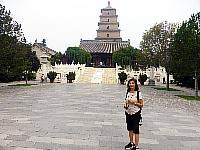
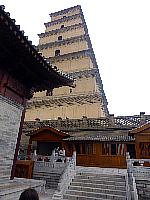
The original Giant Wild Goose Pagoda, was built in 652. It collapsed and was rebuilt in 701-704 during the reign of Empress Wu Zetian; the present structure is largely the same as it was in the 8th century and is an architectural marvel of China. It was built with layers of bricks without any cement. The exterior brick facade was renovated during the Ming dynasty. The Pagoda used to be three stories taller before the damage caused by the 1556 Shaanxi earthquake.

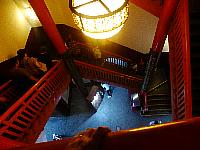
Seen as an architectural masterpiece of Buddhism of China, the Big Wild Goose Pagoda is also called Pagoda of Daci'en Temple because it is located inside of the temple. There are wooden stairs inside the pagoda and one arched window at each of the four sides on every storey, where we can have a panorama view of the surroundings. The Big Wild Goose Pagoda is included on the city emblem.

One of the pagoda's many functions was to hold sutras and figurines of the Buddha that were brought to China from India by the Buddhist translator and traveller Xuanzang. We had the opportunity to see a play in the Beijing Opera about the trip Xuanzang made to India. His travels inspired one of the best-known works of Chinese literature, Journey to the West.

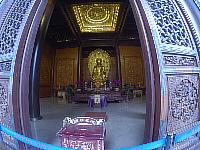
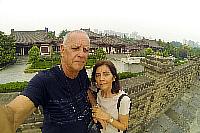
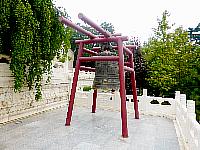
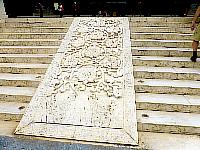
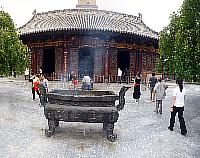
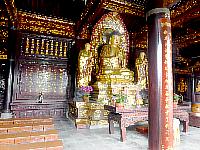
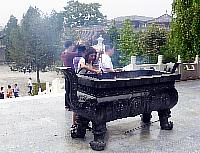
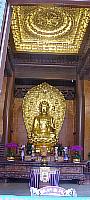
We visited the various temples that compose the Daci’en Temple and walked all the way to the top of the Giant Wild Goose Pagoda. The views of the city and the gardens around the temple are beautiful and worth the tough climb to the top.
Clique para ver o text em Português

Xian - O Pagode do Ganso Selvagem Gigante

O Pagode original do Ganso Selvage Gigante (Giant Wild Goose) foi construido no ano de 652, desmoronou-se e foi reconstruido em 701-704 durante o reinado da Imperadora Wu Zetian; A estrutura present é pràticamente a mesma do século VIII e é uma maravilha da arquitectura Chinesa. Foi construido com fiadas de tijolos sem utilizar cimento. A fachada exterior feita de tijolos foi renovada durante a dinastia Ming. O pagode era inicialmente um edificio de 3 andares até ter sido destruido por um terramoto em Shaanxi em 1556.
Sendo considerado uma obra de arte da arquitectura Budista da China, o Pagode é também conhecido por Pagode do Templo de Daci’en pois está localizado no interior do templo com o mesmo nome. No interior do pagode há umas escadas de madeira que nos conduzem ao topo do edificio, com janelas em arco em cada um dos cantos dos patamares. Das janelas podem-se admirar as vistas da cidade e dos arredores do templo. O Pagode do Ganso Selvagem faz parte do emblema da cidade.

Umas das muitas funções do pagode é o de conter as reliquias e estátuas do Buddha, que foram trazidas para a China da India pelo Tradutor Budista e viajante Xuanzang. Nós tivemos a oportunidade de atender a um espectáculo na Ópera de Pequim acerca da viagem feita à India por Xuanzang, que inspirou uma das mais conhecidas obras da literatura Chinesa, Viagem para o Oeste.

No nosso passeio visitámos os vários templos que compõem o Templo de Daci’en e subimos até ao topo do pagode. As vistas da cidade e dos jardins dos arredores do templo são maravilhosas e justificam a dura subida até ao topo.


www.Nhamalanda.com by Fernando Costa